UTI symptoms in babies and kids: signs to watch for and what testing involves
By Ragini Miryala, MD, Pediatrician
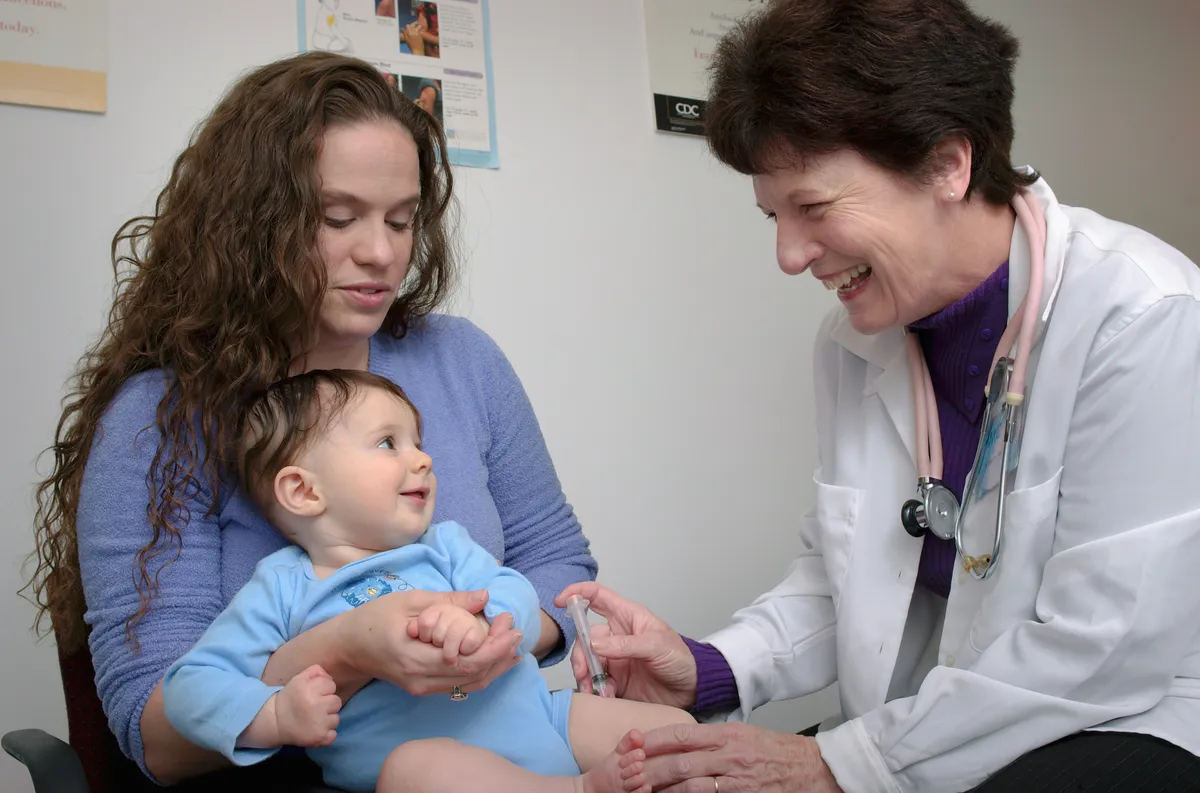
Your 10-month-old has had a fever since yesterday. No cough, no runny nose, no rash. She's fussier than usual and isn't finishing her bottles, and you can't figure out why. Or maybe your potty-trained 4-year-old is suddenly having accidents again and says it hurts to pee.
Medical Disclaimer: This article is for education only and is not a substitute for a visit with your child's doctor. If your child seems very sick, is hard to wake, or you think it is an emergency, call 911 or go to the nearest ER.
I've cared for children in the Clear Lake area for more than 20 years, and both of those stories can point to the same thing: a urinary tract infection, or UTI. Pediatric UTI symptoms are easy to miss, especially in babies, because young children can't tell you what hurts. Let's go through what to look for and what happens when you come in.
What are the signs of a UTI in a child? The short version
In babies and toddlers, fever may be the only sign. They may also be fussy, feed poorly, or vomit.
Older kids usually have burning or pain when peeing, need to go often or urgently, or start having accidents after being potty trained.
A urine test is the only way to know for sure. You can't diagnose a UTI by symptoms alone.
Fever, back or side pain, or vomiting can mean the infection has reached the kidneys. That needs care the same day.
What causes UTIs in children?
A UTI is an infection anywhere in the urinary tract: the kidneys, the bladder, or the tubes that connect them. Most UTIs are bladder infections. They happen when bacteria, most often E. coli from the bowel, get into the urethra and travel up into the bladder.
UTIs are common in childhood. According to the National Institutes of Health, by age 7, about 8% of girls and 2% of boys have had a UTI. Girls get more UTIs than boys because the tube that carries urine out of the body is shorter, with one exception: in the first year of life, boys get them more often. Uncircumcised baby boys have a higher risk in that first year, although most never get a UTI.
Other things that raise the risk:
Constipation, which presses on the bladder and keeps it from emptying fully
Holding pee for long stretches, common in busy preschoolers and school-age kids
Vesicoureteral reflux (VUR), a condition where urine flows backward from the bladder toward the kidneys
Other differences in how the urinary tract is formed, or a family history of UTIs
UTI symptoms by age
1. Babies and toddlers under 2
Young children often don't have the "classic" UTI symptoms. Instead, watch for:
Fever, sometimes with no other obvious cause
Irritability or fussiness
Poor feeding, or not gaining weight as expected
Vomiting or diarrhea
Strong, foul-smelling urine
Tiredness, or yellowish skin or eyes in young babies
This is why we often check a urine sample when a baby or toddler has a fever and we can't find another source. Our fever care visits are built to find that cause.
2. Kids 2 and older
Burning or pain when peeing
Needing to pee often or urgently, sometimes only a little at a time
Accidents or bedwetting after being fully potty trained
Cloudy, bloody, or strong-smelling urine
Pain in the lower belly
Fever
Symptoms are the same in boys and girls.
3. Signs it may be in the kidneys
A bladder infection can travel up to the kidneys. This is called pyelonephritis, and it needs prompt treatment. The risk of kidney damage from a UTI is higher in young children than in older kids and adults. Signs include:
Fever and chills
Nausea or vomiting
Pain in the back, side, or groin
In babies and young children: high fever, poor appetite, irritability, and vomiting
Is it a UTI or something else?
Several other things can cause burning or discomfort when a child pees. In young girls, irritation from bubble baths, scented soaps, or wet swimsuits is common. Constipation and a stomach bug can also cause belly pain or accidents. A urine test is the fastest way to sort it out, so you don't end up treating something that isn't there.
When to seek care right away
Go to the ER or call 911 if your child:
Is younger than 6 months with UTI symptoms or a fever
Can't keep down any fluids, or hasn't had a wet diaper in 6 hours
Has yellow skin or eyes
Seems very sick or is hard to wake
Has a high fever with back or side pain and vomiting
Come in the same day if your child:
Is younger than 3 months with a fever of 100.4°F or higher
Has a fever with no clear cause, especially under age 2
Has burning, frequent peeing, new accidents, or belly pain
Has shaking chills, or a fever lasting more than 48 hours after starting antibiotics
Has had a UTI before and the symptoms are back
What to expect at your visit and UTI testing
1. Exam and history
We'll check your child's temperature and vital signs, examine the belly and back, and ask about fever, feeding, bathroom habits, constipation, and any past UTIs. For girls, we may gently check for skin irritation that can mimic a UTI.
2. Collecting the urine sample
How the sample is collected matters, because a sample that picks up germs from the skin can give a false result. The right method depends on your child's age:
Potty-trained kids pee into a sterile cup using a clean catch: clean the area, start peeing into the toilet, then catch the middle of the stream in the cup.
Babies and kids in diapers often need a small, soft tube called a catheter, placed briefly to collect a clean sample. It's quick, and it gives the most reliable result.
Bag samples (a plastic bag taped over the genitals) can be used for a first screening test, but they're too easily contaminated to rely on for a culture.
Your provider will walk you through the best option for your child.
3. Urine test results
We run a urinalysis right here in the clinic, which looks for white blood cells, blood, and other signs of infection. You'll get first results during your visit. When needed, the sample also goes to a lab for a urine culture, which shows which bacteria are growing and which antibiotics work against them. Culture results usually take about 48 hours. We'll call you if the treatment plan needs to change.
At our UTI treatment visits, you leave with a clear plan: whether antibiotics are needed, how to ease the burning, and what to watch for at home.
4. Follow-up after a first UTI with fever
Current guidelines recommend a kidney (renal) ultrasound after a young child's first UTI with fever, to check that the kidneys and bladder are formed normally. It's painless, like the ultrasound used in pregnancy. A special X-ray of the bladder, called a VCUG, isn't needed routinely after a first UTI. It's usually saved for children whose ultrasound shows a problem or who have another UTI with fever. Your child's pediatrician will usually arrange this follow-up.
Frequently asked questions
Are UTIs contagious?
No. A UTI comes from your child's own bacteria getting into the urinary tract. It doesn't spread from one child to another, so siblings and classmates can't catch it.
How quickly do UTI test results come back?
The in-clinic urinalysis gives first results during your visit. A urine culture takes about 48 hours. If your child started antibiotics before the culture is back, we may adjust the medicine once we see which bacteria are growing.
Can a UTI go away on its own?
Don't wait to find out. A UTI in a child needs antibiotics, and untreated infections can spread to the kidneys and, in young children, raise the risk of kidney scarring. Getting tested and treated early is the best protection. Our guide to antibiotics for a child's UTI explains what treatment looks like.
Can UTIs keep coming back?
They can. According to the National Institutes of Health, up to 3 out of 10 children may have another UTI within 6 to 12 months of their first one. Treating constipation, not holding pee, and good bathroom habits help lower the odds. Repeated UTIs are a reason to see your pediatrician or a specialist.
We're right here in Webster when you need us
A UTI can hide behind a simple fever in a baby, or show up as a sudden string of accidents in a preschooler. You don't have to guess. A quick urine test gives you an answer during the visit, and early treatment protects your child's kidneys.
At PediSTAT Urgent Care, our pediatric urgent care team sees kids and teens 7 days a week, close to families in Clear Lake, League City, Nassau Bay, Seabrook, Friendswood, Dickinson, and La Porte.
👉 Book a UTI visit today. PediSTAT Urgent Care, 205 E. Medical Center Blvd., Webster, TX 77598. Hours: Mon to Fri 9 AM to 7 PM, Sat 10 AM to 5 PM, Sun 10 AM to 1 PM.
Medically reviewed by Ragini Miryala, MD. Last reviewed: November 2026.
This content is for educational purposes only and does not constitute formal medical advice, diagnosis, or treatment. Always consult a qualified healthcare provider regarding any medical condition.