Antibiotics for a child's UTI: what to expect and how to help at home
By Ragini Miryala, MD, Pediatrician
The urine test came back positive. Your child has a UTI, you're holding a prescription, and you have questions. How fast will this work? Does she really need the whole bottle? What can I do tonight to help the burning?
Medical Disclaimer: This article is for education only and is not a substitute for a visit with your child's doctor. If your child seems very sick, is hard to wake, or you think it is an emergency, call 911 or go to the nearest ER.
I've treated children in the Clear Lake area for more than 20 years, and UTIs are one of the infections I'm happiest to see caught early, because the right antibiotic for a pediatric UTI works well and works fast. Here's what to expect, day by day, and how to help your child feel better at home.
How are UTIs treated in kids? The short version
Antibiotics are the treatment. Most children take them by mouth at home.
Most kids feel better within a couple of days. Fever is usually gone within 48 hours.
Finish every dose, even after your child feels fine. Most courses last about a week or two.
Fluids, pain relief, and good bathroom habits help your child feel better and lower the chance of another UTI.
How antibiotics for a UTI are chosen
A UTI is a bacterial infection, usually from E. coli, so antibiotics are the right tool. Your provider picks the medicine based on your child's age, how sick they are, any allergies, and which antibiotics tend to work against the bacteria seen in our area. Not every antibiotic works against UTI germs; nearly half of E. coli are resistant to plain amoxicillin, for example, which is why it often isn't the first choice.
When a urine culture is sent to the lab, results usually come back in about 48 hours. The culture shows exactly which bacteria are growing and which antibiotics kill them. If the first medicine isn't the best match, we'll call you to switch. At our UTI treatment visits, we run the first urine test in the clinic, start treatment the same day when it's needed, and follow up on the culture.
How long will my child take antibiotics?
It depends on your child's age and whether the infection involves the kidneys. For young children with a UTI and fever, the American Academy of Pediatrics (AAP) recommends 7 to 14 days of antibiotics. Many children take antibiotics for about a week or two. Older children with a simple bladder infection may need a shorter course. Follow the exact plan on your child's prescription.
When a child needs the hospital
Most children get better with antibiotics by mouth. Babies younger than 2 months, and children who are vomiting and can't keep medicine down, may need IV antibiotics in the hospital. A child who isn't improving on oral medicine may need hospital care too.
What to expect, day by day
Timing | What to expect |
|---|---|
Day 1 | First doses. Your child may still have fever, burning, and frequent peeing. |
Days 2 to 3 | Fever usually gone within 48 hours. Pain and burning often much better. |
About day 3 | Urine culture results are usually back. We call you if the antibiotic needs to change. |
Rest of the course | Your child feels normal, but the bacteria aren't all gone. Keep giving every dose. |
Call us or come back if your child still has a fever more than 48 hours after starting antibiotics, or isn't getting better after 3 days of medicine taken as prescribed.
Why finishing the whole course matters
By day 3, most kids are back to themselves, and it's tempting to stop the medicine. Please don't. The antibiotic has knocked the bacteria down, but stopping too soon can let the surviving bacteria grow again, and the infection can come back, sometimes in the kidneys. Finish the entire treatment as prescribed, even if the symptoms go away.
Tips for getting every dose in:
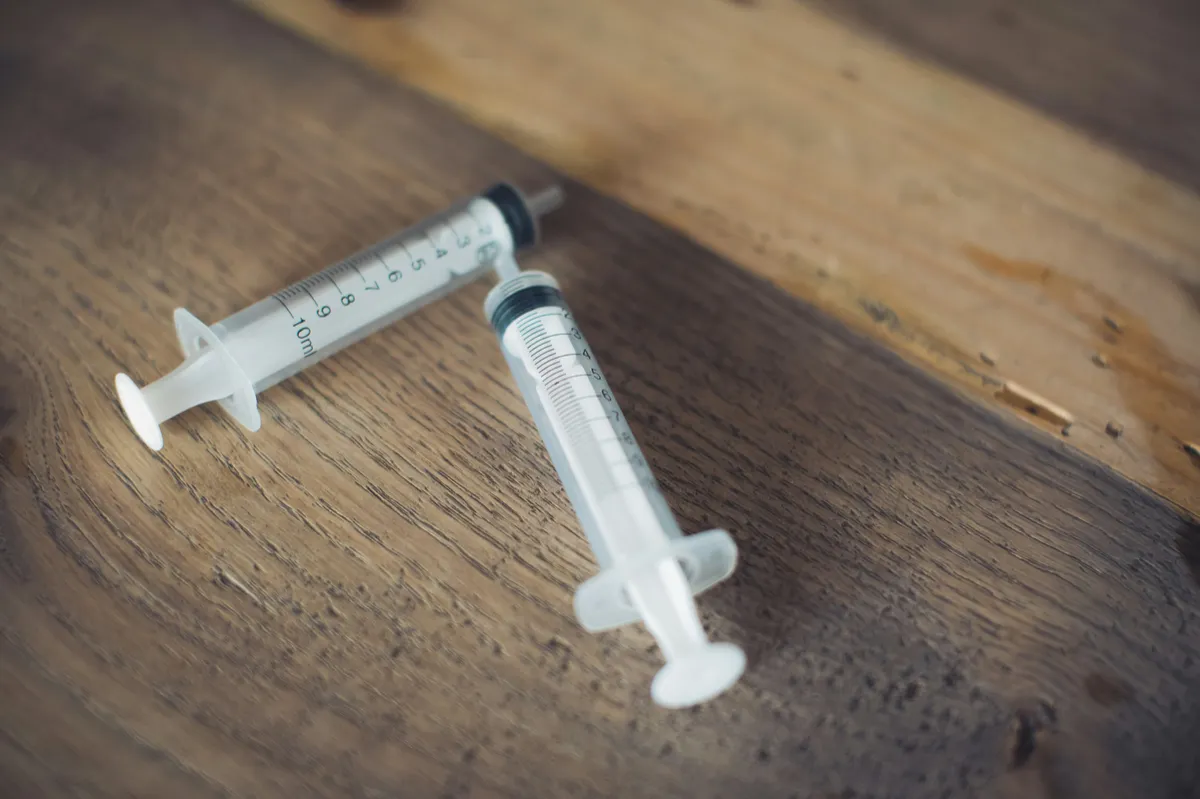
Use the dosing syringe from the pharmacy, never a kitchen spoon.
Set phone alarms for each dose, and pair doses with daily routines like breakfast and bedtime.
Ask your pharmacist about flavoring if your child fights the taste.
Check the label: some liquid antibiotics need to be kept in the refrigerator.
If your child vomits right after a dose, or gets a rash or lots of diarrhea, call us before the next dose.
Call 911 for hives with swelling of the lips or face, wheezing, or trouble breathing after a dose.
How to help your child feel better at home
Fluids: Offer water often. Peeing regularly helps flush the bladder. Babies should keep up their usual breast milk or formula.
Pee often: Encourage your child to go when they feel the urge, and to take their time emptying the bladder fully.
Pain and fever relief: Acetaminophen (Tylenol) or ibuprofen (Motrin, Advil) can ease pain and fever. Dose by weight. Don't give ibuprofen to babies younger than 6 months unless your child's doctor says to. Never give aspirin to children.
Warmth: A heating pad on low, or a warm (not hot) compress on the belly or back, can ease aching. Stay with your child while it's in use.
Gentle washing: Skip bubble baths and scented soaps while your child heals. They don't cause UTIs, but they can irritate the skin and make burning worse.
About cranberry: Cranberry juice or supplements don't treat a UTI. Antibiotics do.
Preventing the next UTI
Not every UTI can be prevented, but these habits lower the odds:
Don't hold it. Remind kids to use the bathroom regularly, including at school, and not wait until the last second.
Wipe front to back after using the toilet. Teach girls this early.
Treat constipation. Hard stools press on the bladder and make UTIs more likely. Offer water, fruits, vegetables, and other high-fiber foods.
Change diapers often in babies and toddlers.
Choose cotton underwear, and change out of wet swimsuits soon after swimming.
Skip bubble baths for young girls.
When UTIs keep coming back
According to the National Institutes of Health, up to 3 out of 10 children have another UTI within 6 to 12 months of their first. Repeat infections are a reason to see your pediatrician. They may recommend a kidney ultrasound, a check for vesicoureteral reflux (urine flowing backward toward the kidneys), help with constipation and bathroom habits, or a referral to a pediatric urologist. Some children with repeated infections take a daily low-dose antibiotic for a time, but the AAP doesn't recommend this routinely for most infants.
Frequently asked questions
How long does recovery take once treatment starts?
Most kids start to feel better within a couple of days. Fever is usually gone within 48 hours, and pain and burning are often much better by then. The full course of antibiotics usually lasts about a week or two.
When can my child go back to school or daycare?
UTIs aren't contagious, so there's no risk to classmates. Your child can go back once the fever is gone and they feel well enough to take part. Many schools and daycares ask that children be fever-free for 24 hours without fever-reducing medicine, so check your school's policy. Ask the teacher to let your child use the bathroom whenever they need to.
What steps protect other family members?
A UTI doesn't spread from person to person, so siblings can't catch it. The best family habits are the prevention steps above: plenty of water, regular bathroom breaks, front-to-back wiping, and high-fiber foods to keep everyone regular.
Should I get my child rechecked after the antibiotics are done?
Not always, if your child is back to normal. But a young child's first UTI with fever usually calls for a follow-up with their pediatrician, who may order a kidney ultrasound. If symptoms return, come back so we can test again.
We're right here in Webster when you need us
UTIs are uncomfortable, but with the right antibiotic, plenty of fluids, and a full course of medicine, most kids are back to normal within days. The key is starting treatment early and finishing it.
At PediSTAT Urgent Care, our pediatric urgent care team sees kids and teens 7 days a week, close to families in Clear Lake, League City, Nassau Bay, Seabrook, Friendswood, Dickinson, and La Porte. For the signs to watch for, see our guide to UTI symptoms in babies and kids.
👉 Book a UTI visit today. PediSTAT Urgent Care, 205 E. Medical Center Blvd., Webster, TX 77598. Hours: Mon to Fri 9 AM to 7 PM, Sat 10 AM to 5 PM, Sun 10 AM to 1 PM.
Medically reviewed by Ragini Miryala, MD. Last reviewed: November 2026.
This content is for educational purposes only and does not constitute formal medical advice, diagnosis, or treatment. Always consult a qualified healthcare provider regarding any medical condition.